Social Emotional Learning
- 24 godziny temu
- 3 minut(y) czytania
Koniec klasy drugiej to przełomowy moment w każdej szkole IB w Polsce.

W klasie trzeciej uczniowie rozpoczynają Program Dyplomowy IB, co oznacza, że już pod koniec klasy drugiej muszą zdecydować, które sześć kursów będą realizować. To trudna i odpowiedzialna decyzja, wymagająca znajomości siebie i pomysłu na dalszą ścieżkę kształcenia.
W naszej szkole wspieramy uczniów w podjęciu tej decyzji na wielu poziomach. Podczas zajęć SEL (Social Emotional Learning) poświęciliśmy wiele godzin na rozmowy o tym, kim jesteśmy i jaką przyszłość dla siebie planujemy. Uczniowie wykonali ogromną pracę — wracali do swoich dziecięcych marzeń, a następnie planowali swoje życie w perspektywie 5, 10 i 15 lat (co jest niezwykle skuteczne, jak zostało udowodnione w czasie trwających 75 lat badań na Harvard University).
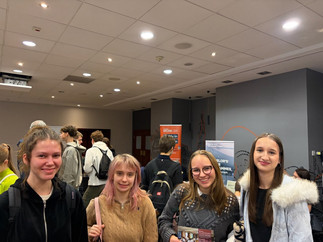
Kolejnym krokiem był research zagranicznych uczelni. Uczniowie stworzyli bazę danych obejmującą uczelnie, kierunki studiów oraz wymagania rekrutacyjne — liczbę punktów IB i konkretne kursy potrzebne do podjęcia wybranych studiów, wzięli również udział w Targach Uczelni Zagranicznych. Następnie wypełniali różnorodne testy osobowości oraz testy preferencji zawodowych (Wielowymiarowy Kwestionariusz Preferencji oraz Testy Kompetencji Zawodowych). Wyniki tych badań zostają szczegółowo omówione podczas indywidualnych spotkań z dyrektorem ds. wychowawczych i pedagogiem szkolnym oraz dyrektorem oddziału międzynarodowego.
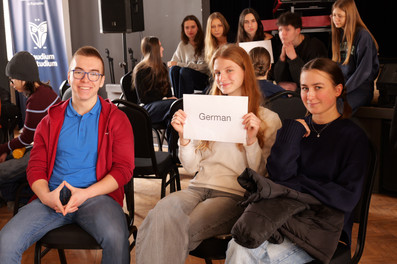
Wyjątkowym elementem całego procesu było coroczne spotkanie z uczniami klas trzecich — tymi, którzy już realizują Program Dyplomowy IB. W spotkaniu nie uczestniczyli nauczyciele, dzięki czemu miało ono w pełni uczniowski charakter. Młodsi uczniowie mogli swobodnie zadawać pytania, poznawać doświadczenia starszych kolegów i usłyszeć szczerą relację o nauce w programie IB oraz współpracy z nauczycielami.
Zwieńczeniem całego procesu był wstępny wybór przedmiotów, który odbył się w marcu. To ważny krok w stronę świadomego kształtowania własnej ścieżki edukacyjnej i przyszłości.
The end of the second year is a turning point for every IB school in Poland. In the third year, students begin the IB Diploma Program, which means that at the end of the second year they must decide which six courses they will pursue. This is a difficult and responsible decision, requiring self-knowledge and an idea for their future path.
At our school, we support students in making this decision on many levels. During SEL (Social Emotional Learning) classes, we devoted many hours to discussions about who we are and what future we envision for ourselves. The students put in a tremendous amount of work—reflecting on their childhood dreams and then planning their lives for 5, 10, and 15 years (which has been proven to be extremely effective during 75 years of research at Harvard University).
The next step was researching foreign universities. The students created a database of universities, fields of study, and admission requirements—the number of IB points and specific courses required for their chosen programs. They also participated in the Foreign University Fair. They then completed various personality tests and career preference tests (Multidimensional Preference Questionnaire and Career Competency Tests). The results of these tests were discussed in detail during individual meetings with the director of education, the school counselor, and the director of the international department.
A unique element of the entire process was the annual meeting with third-year students—those already participating in the IB Diploma Program. Teachers were not present, ensuring a truly student-centered experience. Younger students had the opportunity to freely ask questions, learn about the experiences of their older peers, and hear honest accounts of their IB studies and collaboration with teachers.
The entire process culminated in the preliminary subject selection process, which took place in March. This is an important step towards consciously shaping one's educational path and future.